XI Международная студенческая научная конференция Студенческий научный форум — 2019

СИСТЕМА «ПРОФИТ-ШЕРИНГ» КАК ИНСТРУМЕНТ УПРАВЛЕНИЯ ПРИБЫЛЬЮ БАНКА
Система «профит-шеринг» — мощный мотивирующий фактор деятельности современных банков и корпораций, представляющий собой распределение прибыли между участниками какой-либо деятельности. Причем под прибылью здесь не обязательно подразумеваются денежные средства. Речь может идти о ценных бумагах (акции, облигации) и иных видах поощрительных компенсационных выплат.
Система «профит-шеринг» может быть одноуровневой, если ее участники – рядовые сотрудники организации независимо от структурного подразделения компании. Более ступенчатая и многоуровневая система формируется, если участниками становятся работники обособленных подразделений и отделов банка.
Говоря о «профит-шеринге», акцент делается не на национальную экономику, а на экономику других стран. Например, в США около трети компаний уже внедрили данную систему и получают результаты от ее успешного функционирования.
Уникальность данной системы состоит в том, что она одновременно решает проблемы в управлении персоналом и проблемы в управлении финансами.
В плане управления персоналом система используется по следующим направлениям:
1. Повышается уровень мотивации. Сегодня очень популярно понятие «итальянская забастовка», когда персонал, на первый взгляд, находится на работе, однако рабочий процесс затягивается, так как работа выполняется ни на шаг не отходя от инструкций, без личной инициативы. Этот вид «цивилизованной забастовки» стал популярным, так как компании не предоставляют систему мотивации, и у сотрудников нет стимула быть заинтересованным в судьбе банка, где они работают. «Профит-шеринг» в полной мере решает эту проблему, так как он подобен сдельной оплате труда, только в данном случае к фиксированному окладу добавляется процент от прибыли компании.
2.Улучшается имидж банка среди конкурентов. «Профит-шеринг» свидетельствует об «умной банковской деятельности», когда собственник понимает, что его прибыль генерируют заинтересованные сотрудники.
3.Формирование единого корпоративного духа. Несмотря на то, что система достаточно индивидуальна и выявляет заинтересованных в ней сотрудников, каждый работник хочет быть ее участником. Тем самым, персонал, возможно, сам того не осознавая, кооперируется для достижения общих целей, а именно для получения прибыли.
4.Стабильность кадров. Система «профит-шеринг» вызывает заинтересованность в своей должности и боязнь ее лишиться, поэтому формируется стабильный устойчивый коллектив и снижается текучесть кадров.
Система «профит-шеринг» решает и ряд значимых проблем в управлении корпоративными финансами:
1. Работодатели и владельцы могут просчитать, сколько вкладывать в инвестиционный и мотивационный планы. Но главное то, что эти затраты на выходе дадут чистую прибыль организации, благодаря успешному и инновационному труду реально заинтересованного работника.
2. Осуществление оптимизации системы налогообложения, которое осуществляется посредством снижения налоговой базы, так как вознаграждения по системе «профит-шеринг» учитываются, когда работа выполнена, и она принесла реальный значимый результат.
3. Система позволяет увидеть рациональность протекающих бизнес-процессов и определить «незаинтересованные» в производственном процессе звенья. Здесь также возникает вопрос об «умной» деятельности. Готовы ли собственники делиться частью прибыли сейчас, чтобы преумножить ее в дальнейшем? В экономике США известны примеры банков, которые для осуществления этой системы использовали в большей мере не собственные, а заемные средства. Российские банки реже практикуют данный метод.
Осуществление «профит-шеринга» возможно в двух видах:
1. Получение вознаграждений по итогам года. Предполагается, что основные выплаты будут осуществлены в конце года. Существенным недостатком этого вида является излишнее налоговое бремя, которое противоречит принципу оптимизации налогообложения.
2.Отложенный вид. Этот вид является более эффективным как для сотрудника, так и для работодателя. Для сотрудника основным плюсом является индивидуальный подход, который проявляется в создании индивидуального для каждого счета, где аккумулируются средства. Причем сотрудник может самостоятельно накапливать эти средства не только, посредством работы, но и посредством длительного нахождения этих средств на счету. Механизм заключается в том, что работодатель не будет платить налоги, так как средства будут лежать на счету, а сотруднику будет начисляться фиксированный процент за нахождение средств на счете. Это один из инвестиционных путей использования системы «профит-шеринг». Однако, если средства необходимы сотруднику, то их возможно вывести со счета в определенных случаях (достижение определенных показателей, достижение пенсионного возраста и т.д.).
Сумма, которая выделяется на реализацию системы «профит-шеринг», определяется либо по решению совета директоров, либо по формуле. Конкретной и универсальной формулы нет, она определяется каждым банком индивидуально на основе финансовых показателей.
Когда конкретная сумма определена, она распределяется между участниками. Система распределения также индивидуальна: возможна скользящая система на основе разнообразных факторов, либо фиксированный процент от выделенной суммы, который также зависит от заработной платы, срока работы в компании и т.д.
Таким образом, можно выделить основные элементы:
1.Выявление круга лиц, участвующих в системе. Либо в систему включаются все сотрудники, либо служащие только тех подразделений, которые наиболее значимы и от которых зависит в большей мере формирование прибыли.
2.Методика распределения части прибыли между участниками системы. Здесь определяется вид: либо начисление награждений в конце года, либо открытие индивидуального счета.
3.Система передачи вознаграждений участникам. Эта система зависит от вышеперечисленных видов «профит-шеринга».
4. Пути инвестирования средств, аккумулированных на личных счетах участников. Это обеспечит дополнительную прибыль и позволит преумножить средства как для работодателя, так и для участников системы.
5.Условия ликвидации системы. Так как основная цель «профит-шеринга» — повышение мотивации, то эта система имеет временные рамки. Как правило, они составляют календарный год.
Таким образом, использование системы «профит-шеринг» полезно для банков. Система очень перспективна для российских банков, так как помогает повысить эффективность, оптимизировать бизнес-процессы и т.д.
1. Moffatt, Mike. (2008) About.com Sharing Rule Economics Glossary; Terms Beginaing with S. Accessed June 19, 2017.
2. Diederich, Andrew. "Survey: Pay based on performance gains ground Crain's Detroit Business. April 20 1 6 .
3. «In Depth Profit sharing: Share Peace of Mind». Employee Benefits. 12 January 2016.
Profit-sharing Plan
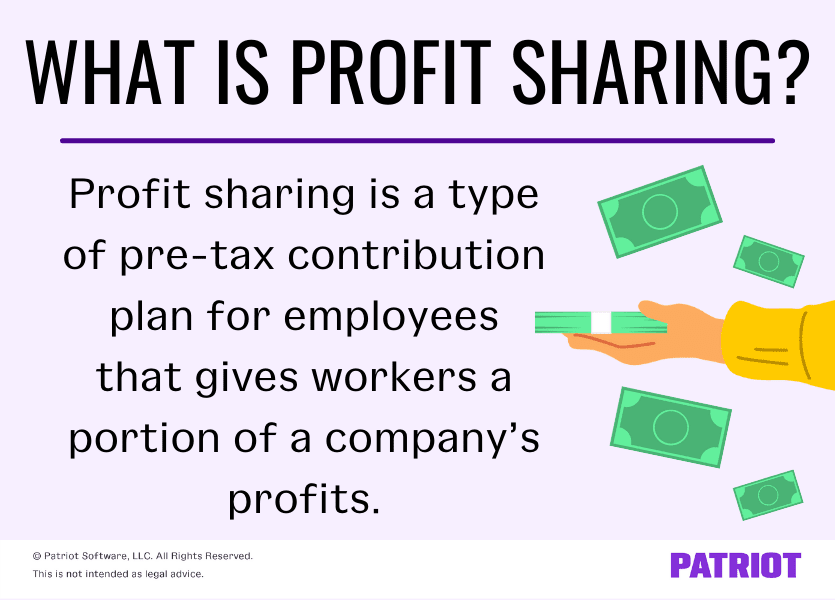
Profit sharing plans are usually incentive plans that provide a distribution of a portion of profits or for publicly traded companies a distribution of shares of stock in the company based on the performance of the company. Many employers offer a profit-sharing plan in addition to traditional 401ks. What Is a Profit-Sharing Plan.
What Is Profit Sharing Definition Examples More

Profit Sharing Plan Definition Example Top 3 Types
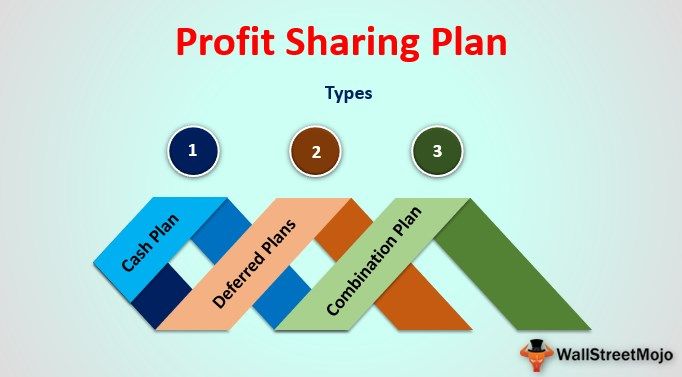
Dheeraj On Twitter Profit Sharing Plan Definition Example Top 3 Types Https T Co V1ff700egr Profitsharingplan Https T Co Xpiggvved1 Twitter

Profit Sharing Levels System Advantages Type Company Disadvantages Business System History

Profit Sharing Human Resource Management

Are You Getting Any Value From Your Profit Sharing Plan Tlnt
Profit Sharing Profit sharing is a workplace compensation benefit that helps employees save for retirement by paying them a portion of.
Profit-sharing plan. Download this editable and ready-made template through which you can acknowledge that under the profit-sharing plan and trust you are entitled to the benefits at the time of your. They share the same structure in that a standard profit sharing is generally an investment portfolio holding a mix of mainstream securities assets. Profit-sharing plans are different from other retirement plans like 401k plans because employees do not put any of their own money into the plan.
Businesses of all sizes can offer profit sharing plans. Many businesses offer profit sharing as a retirement benefit for employees. Profit sharing plans have additional advantages.
A profit-sharing plan is a kind of retirement plan that allows employees to partake in a companys profits. A profit sharing plan is a type of retirement savings plan that enables workers to share in their companys profits. In publicly traded companies these plans typically amount to allocation of shares to employees.
With a profit-sharing plan PSP employees receive an amount based on the companys earnings over a specific period of time eg a year. These plans fall into two types. A profit sharing plan is a type of plan that gives employers flexibility in designing key features.
It allows you to choose how much to contribute to the plan out of profits or otherwise each year including making no contribution for a year. N Can help attract and keep talented employees. A profit-sharing plan takes a percentage of the companys profits and shares it with the team on top of their compensation plan.
Generally an employee receives a percentage or dollar amount of the businesss profits either in cash or company stock. Profit sharing refers to various incentive plans introduced by businesses that provide direct or indirect payments to employees that depend on companys profitability in addition to employees regular salary and bonuses. Its a great way to give your team extra money without creating entitlement because its directly tied to their hustle.
One of the earliest pioneers of profit sharing was. Employers start a profit sharing plan for additional reasons. A profit sharing plan is usually structured to give a percentage of the profits to employees based on the companys earnings.
An employee earns a percentage of a companys profits based on quarterly or annual earnings under this type of plan known as a deferred profit-sharing plan. In profit sharing the company contributes a part of its profits into a pool of funds to be distributed among eligible. Like 401k plans profit-sharing plans are tax-advantaged retirement accounts that an employer runs for their employees.
A profit sharing plan is a type of plan that gives employers flexibility in designing key features. A profit-sharing plan can also be termed as a deferred profit-sharing plan and that will give employees a share from the profits earned by the company that is based on the companys earning. Profit sharing plans may.
The difference is in how contributions are made. It allows the employer to choose how much to contribute to the plan out of profits or otherwise each year including making no contribution for a year. T here are different types of profit-sharing plans you can use to incentivize and reward your employees.

What Is A Profit Sharing Plan Definition Rules Example Video Lesson Transcript Study Com

Profit Sharing Plans Digital Media Business Plan Performance Evaluation Cpb Presentation Powerpoint Templates Ppt Slide Templates Presentation Slides Design Idea

The Benefits Of Profit Sharing For Small Businesses Peo Human Resources Blog

Profit Sharing Calculator For A Startup Business Plan Projections
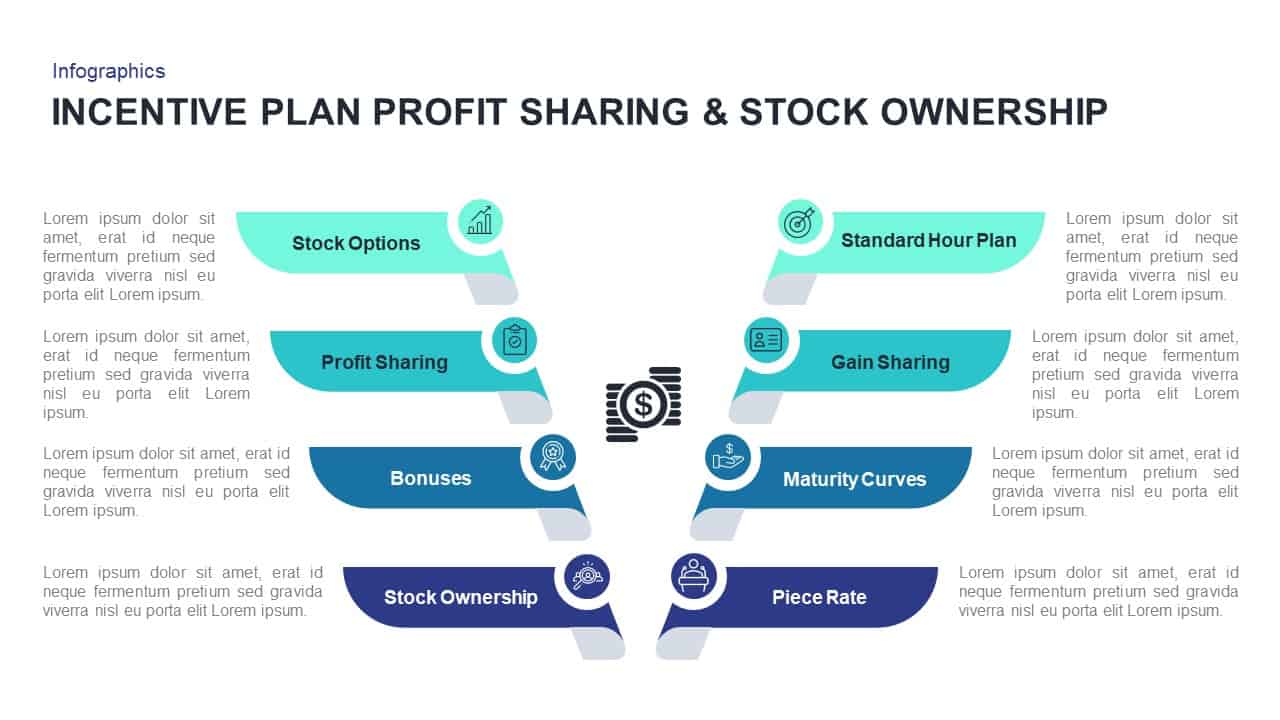
Incentive Plans Profit Sharing Stock Ownership Presentation Diagram

What Is A Profit Sharing Retirement Plan Retirement Strategies Llc

Is Your Profit Sharing Plan Really A Bino A Bonus In Name Only Tlnt

Profit Sharing Retirement Plan Ppt Powerpoint Presentation Layouts Layout Cpb Presentation Graphics Presentation Powerpoint Example Slide Templates

Profit Sharing Plan Ppt Powerpoint Presentation Portfolio Format Cpb Powerpoint Templates
Maximizing Retirement Plan Benefits

Profit Sharing Plan The Information Contained In This Document Is Not For Use Or Disclosure Outside Makotek Llc Ppt Download

Business Concept About Profit Sharing Plan With Inscription On The Piece Of Paper Stock Image Image Of Finance Investment 183824369

Profit Sharing Plan Template By Business In A Box
Profit Sharing Plan: What Is it and How Does it Work?

Profit Sharing plans are employer-sponsored defined contribution plans, along the lines of a However, with a profit sharing plan, only the employer can make contributions to the plan, and employees cannot make contributions.
This type of plan allows employees to share in the company’s success and is also an attractive perk when it comes to hiring new staff. We’ll take a look at what a Profit Sharing Plan is and how it compares to other retirement plans such as the 401(k).
What is a Profit Sharing Plan?
A Profit-Sharing Plan allows companies to share part of the profits with their employees. The program offers a lot of flexibility as employers can decide which years they will make contributions to the plan.
As the amount of contributions can be determined from year-to-year, companies can adjust the contributions to the plan depending on their cash flow needs and the size of the profits. If the company has a bad year in generating revenue it can also decide to make no contributions at all.
Companies can decide to make contributions based on quarterly or yearly profits. The freedom of maneuver allows them to decide what percentage of profits they will contribute to employees at their complete discretion.
Even if a business is profitable in any given year the discretion allowed under the plan means the company is not under any obligation to make contributions for that period. The company may also set up a Profit Sharing Plan if it is not currently profitable.
The federal government, and most states, will not tax any contributions made within the limits. All contributions made within the set limits are tax-deferred, allowing the money held within the plan to grow tax-free until retirement.
Who Can Participate?
In general, Profit Sharing Plans include all rank-and-file employees, managers, and owners of the business. However, the company may exclude some employees under a few circumstances outlined below:
- Employees younger than age 21
- Those with less than 1 year of service (2 years for some plans)
- Already covered by a collective bargaining agreement
- Retirement benefits were subject to good faith bargaining
- Certain nonresident aliens
If you are an eligible employee for the plan, the company must provide information about the features of the plan, your benefits, and your rights. The company must provide all eligible participants with a Summary Plan Description. This document informs participants and beneficiaries about the plan and how it operates.
Nondiscrimination Rules
Under the rules of nondiscrimination concurrent to a Profit Sharing Plan, employers must ensure contributions made to rank-and-file employees are proportional to contributions made for managers and owners.
Plans may undergo annual testing to determine that contributions made to employees are proportional to the contributions made to managers and owners. Proportionality of contributions across all staff is a requirement for the plan to maintain its tax-deferred status.
Contribution Limits
Contribution limits are determined by the lesser of 100% of remuneration or $58,000 for 2021 and $61,000 for 2022. As with most retirement plans, the yearly contribution limit is adjusted yearly to compensate for inflation.
However, there is no Roth option under a Profit Sharing Plan. These limits do not affect your contribution limits on your IRA or 401(k) as you may still set up retirement plans where you can make your contributions.
How Does My Employer Calculate My Profit Share?
The most commonly used method to determine how much of the profits a company will contribute to each Profit Sharing Plan is the comp-to-comp approach. With this method of calculation, the company contributes to each participant an amount of the profits that is proportional to the employees’ salaries.
Let’s look at a numerical case. For example, the company decides that for the past tax year it will contribute 10% of profits to its employees. The company has 3 employees and 1 manager and generates a profit of $1,000,000.
The total amount the company will contribute to all plans is 10% of $1 million, or $100,000. This then needs to be distributed among all eligible participants proportionately. Under the method mentioned above, the profit share will be multiplied by each participant’s salary and then divided by the total of all salaries.
To create easy calculations for our example, let’s say the staff at the company have the following salaries:
The company will contribute to each participant following the calculations made below:
What Investments Can I Make With a Profit Sharing Plan?
You can invest in a variety of assets under a Profit Sharing Plan, although there are some limitations. And you may not have direction over which investments you can make with the contributions made to your plan on your behalf.
Typically Profit Sharing Plans can invest in the following broad asset categories:
Unfortunately, you cannot invest in precious metals through a Profit Sharing Plan. In fact, any type of real asset is strictly prohibited within a Profit Sharing Plan. This means you won’t be able to invest in cryptocurrencies either.
You may invest in ; these are securities of precious metals mining firms or funds that invest in precious metals. Examples include Barrick Gold ( ) and Coeur Mining Inc. ( ), or iShares Gold Trust ( IAU: NYSEArca ), and SPDR Gold Shares ( GLD: NYSEArca ).
Rollover Option
Another option you have once the money in your plan is fully vested is to roll over your contributions to an IRA or a 401(k). Rolling over your contributions of a Profit Sharing Plan to a Self-Directed IRA will allow you to gain access to investments in real assets.
Can I Cash Out My Profit Sharing Plan?
This depends on a few factors. If you are over the age of 59 ½ you may take distributions from the plan without any penalty. Distributions from a Profit Sharing Plan under the age of 59 ½ may incur a 10% penalty.
You must check the vesting schedule of the plan. Some employers make fully vested contributions. This means the money in the plan belongs to you immediately. So, if you were to leave the company at any time you will be able to take that cash with you.
Some employers adopt a vesting schedule which means that you will forfeit the money if you change jobs before the vesting period is complete. For example, a Profit Sharing Plan with a 2 year vesting period means you will forfeit any money that has not been in the plan for longer than 2 years when you leave.
To explain further, say you received $5,000 in your first year under the company’s Profit Sharing Plan. The next year you received $10,000; however, the plan has a 2-year vesting period. If you leave 2 years after receiving the first contribution of $5,000 you can take it with you. But you will forfeit the $10,000 of contributions.
Can an Employer Keep Your Profit Sharing Plan?
This question is often asked as the employer is the one who makes the contributions to your plan as an incentive over your salary. So, the fact of the matter is that your employer can keep part or all of your Profit Sharing Plan contributions if you leave and your cash is not fully vested.
As mentioned earlier, some plans include a vesting schedule, which is often between 3 and 5 years. Usually, these schedules give you 100% ownership of the contribution once the vesting period is over. However, some vesting schedules allow for your contribution to become fully vested gradually.
That is, as the years go by a higher percentage of your contributions become vested. For example, after 1 year you may have 25% of your contributions fully vested, after 2 years 50%, and so on. In which case, if you leave before the final vesting period you will only lose the proportion of the contributions that are not fully vested.
Profit Sharing Plan Compared to a 401(k)
The main difference between Profit Sharing Plans and 401(k) is that contributions are made from your salary and not by the company. These contributions are a regular percentage of your income, although some employers also match employee contributions up to a certain amount.
You also have full ownership of the cash that goes into your retirement plan, whereas some Profit Sharing Plans may use a vesting schedule which delays full ownership of your funds. 401(k)s also usually allow for more flexibility when it comes to choosing which investments you want to make.
Contribution limits for Profit Sharing Plans are much higher than those for 401(k)s. For 2022, 401(k) contributions are limited at $20,500 plus $6,500 catch-up if you are over the age of 50. The good news is that you are not limited to having one type of plan only. Employers can provide both types of plans to all workers simultaneously.
Profit Sharing Plans allow employers a way to motivate their employees and managers. It is also useful in attracting new hires, and the vesting schedule can also help in keeping employees for longer.
However, if you are thinking of holding precious metals in your retirement plan, as you just read it’s not possible through your Profit Sharing Plan. You have many options to consider if you want to add gold or other precious metals to your retirement portfolio. You can learn more about how to invest in gold for retirement with our downloadable free guide .
profit sharing
Profit sharing — Profit sharing, when used as a special term, refers to various incentive plans introduced by businesses that provide direct or indirect payments to employees that depend on company s profitability in addition to employees regular salary and… … Wikipedia
profit sharing — ˈprofit ˌsharing also profit sharing noun [uncountable] 1. HUMAN RESOURCES when a company gives part of its profits to its employees: • He has long believed in employee profit sharing or employee ownership. • The 2005 … Financial and business terms
profit-sharing — UK US (also profit sharing) noun [U] ► HR a system by which employees receive a part of the profits of a business: »The company s costs increased due to higher employee profit sharing. »a profit sharing agreement/plan/scheme … Financial and business terms
profit sharing — n. the practice of dividing a share of the profits of a business among employees, in addition to paying their regular wages and salaries profit sharing adj … English World dictionary
profit sharing — profit shar·ing n: a plan under which employees receive a part of the profits of an enterprise Merriam Webster’s Dictionary of Law. Merriam Webster. 1996 … Law dictionary
profit sharing — profit .sharing n [U] a system by which all the people who work for a company receive part of its profits … Dictionary of contemporary English
profit sharing — profit ,sharing noun uncount BUSINESS a system by which all the people employed by a company get a share in the profits … Usage of the words and phrases in modern English
profit-sharing — ► NOUN ▪ a system in which the people who work for a company receive a direct share of its profits … English terms dictionary
profit sharing — profitsharing, adj. the sharing of profits, as between employer and employee, esp. in such a way that the employee receives, in addition to wages, a share in the profits of the business. [1880 85] * * * System by which employees are paid a share… … Universalium
profit-sharing — profˈit sharing noun A voluntary agreement under which an employee receives a share, fixed beforehand, of the profits of a business • • • Main Entry: ↑profit * * * ˈprofit sharing [profit sharing] noun uncountabl … Useful english dictionary
profit sharing — noun a system in which employees receive a share of the net profits of the business (Freq. 1) • Hypernyms: ↑share, ↑portion, ↑part, ↑percentage * * * noun : a system or process under which employees receive a part of the profits of an industrial… … Useful english dictionary